Kokořínsko Canyon: Walking the Gorge
Discover this dramatic sandstone canyon, explore its winding pathways, and learn what makes this gorge one of the Czech Republic's most striking natural features.

What Makes This Canyon Special
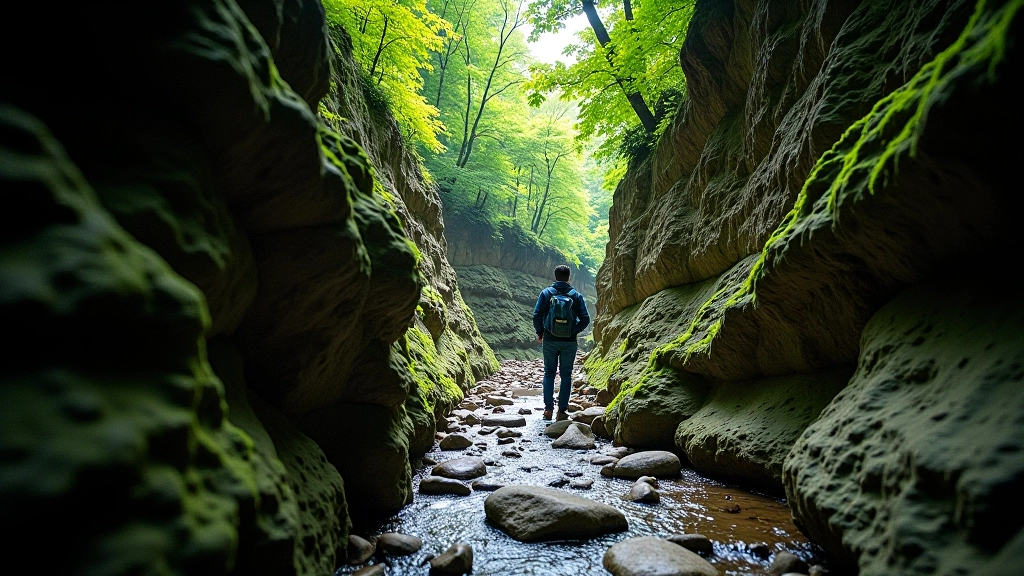
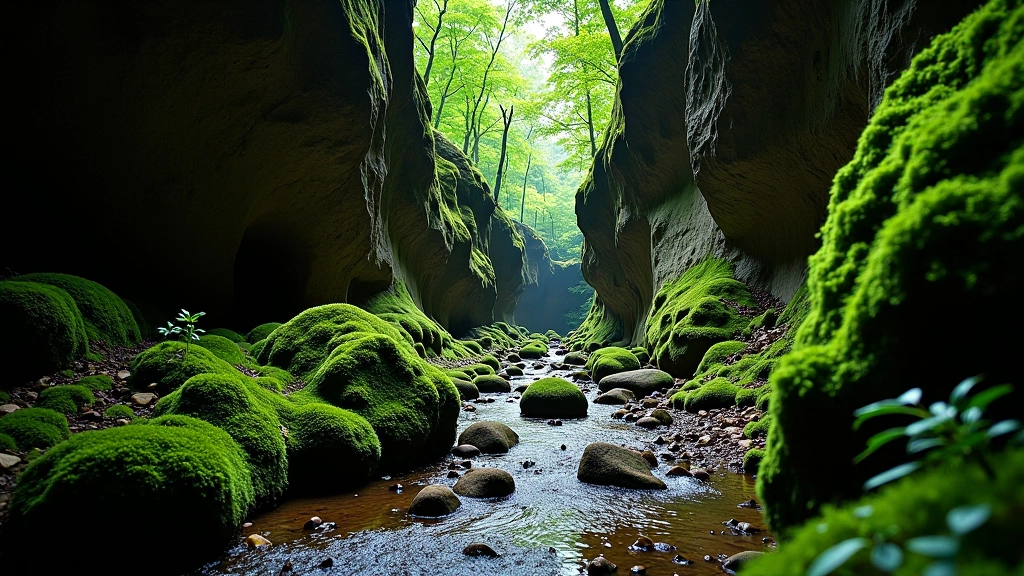
Kokořínsko isn't just another canyon. It's a geological wonder carved by water and time, creating some of the most dramatic sandstone cliffs in Central Europe. The narrow pathways wind between 40-meter walls that seem to close in as you walk deeper into the gorge. You'll encounter flowing streams, moss-covered rocks, and a sense of being somewhere genuinely wild despite being just an hour from Prague.
The canyon earned its protected status for good reason. It's home to rare plant species, geological formations that tell Earth's history, and walking routes that range from easy strolls to more challenging climbs. Whether you're looking for a gentle afternoon walk or a more adventurous exploration, there's something here for you.
Main Walking Routes
There are three primary routes through the canyon, each with its own character. The shortest route takes about 45 minutes and follows the main gorge floor — it's perfect if you're visiting with kids or prefer a relaxed pace. You'll walk alongside the stream, cross a few small bridges, and experience the canyon's most impressive cliff sections without much climbing.
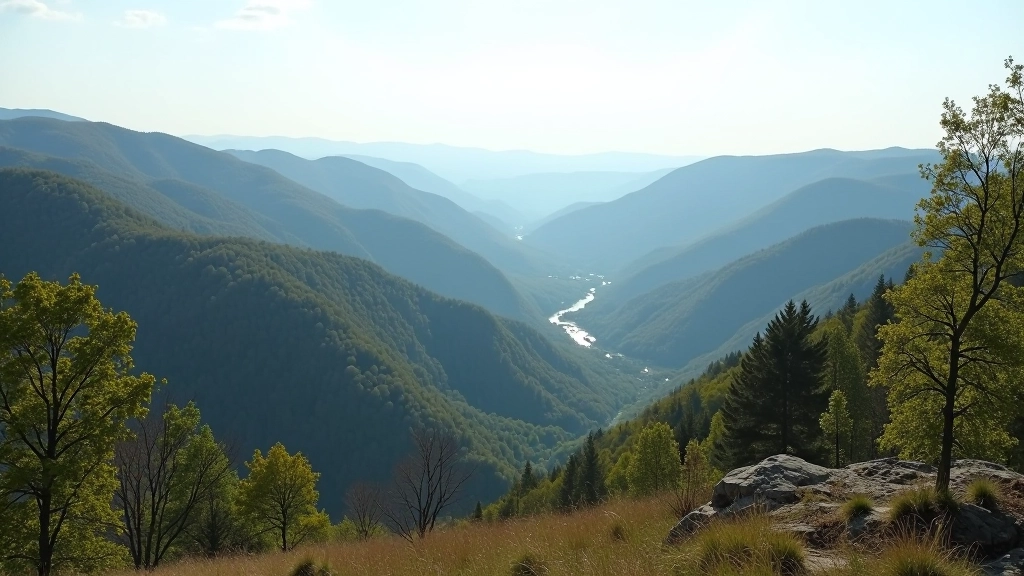
The middle route adds side paths that climb up to viewpoints overlooking the gorge. This takes roughly 2 hours and gives you both the intimate canyon-floor experience and the broader perspective from above. It's not strenuous, but you'll do some proper climbing over rocks and roots. Many people find this route offers the best balance — challenging enough to feel like real hiking, but accessible to anyone with moderate fitness.
The longest route is for people who want to explore thoroughly. It combines the main paths, adds the upper viewpoints, and includes some of the side passages that fewer people venture into. Plan for 3-4 hours and bring proper footwear. You're not doing serious mountaineering, but you will encounter loose rocks, steep sections, and scrambling over boulders.
What You'll See Along the Way
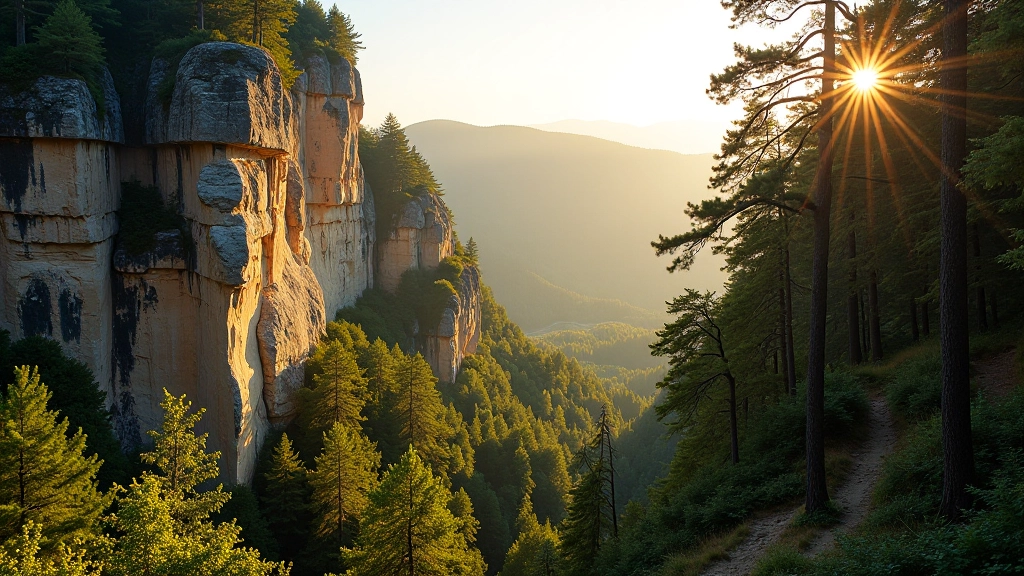
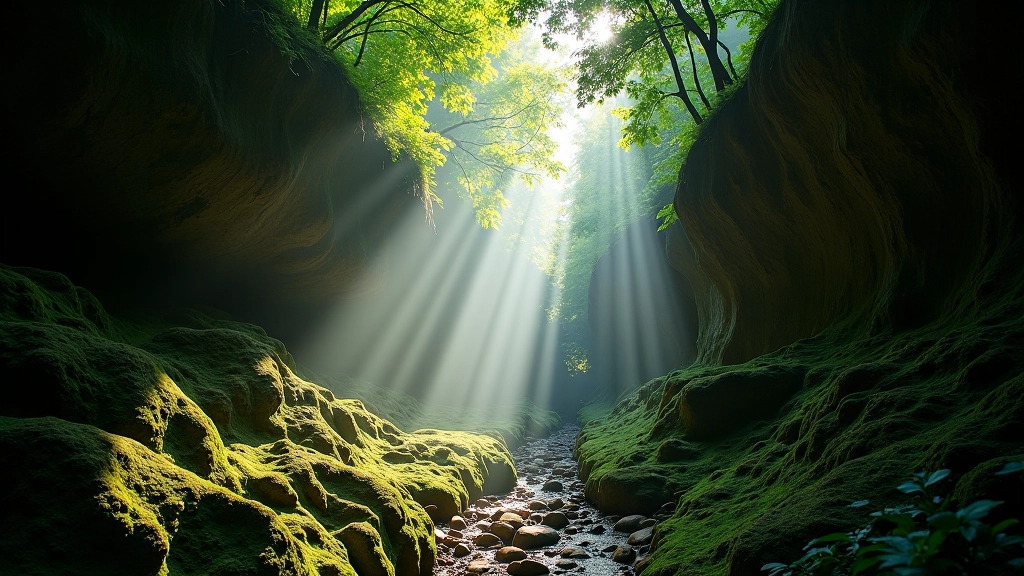
The geological story is written in the canyon walls themselves. The distinctive red and yellow sandstone layers were formed during the Cretaceous period — that's roughly 70 million years ago. Water erosion created the shapes you see today, carving deep channels and isolated pillars that seem almost sculptural. If you pay attention, you'll notice different textures and colors at different heights, each layer telling part of the story.
Biologically, the canyon supports plants you won't see on the surrounding plateau. The shade, moisture, and protected microclimate allow rare fern species and shade-loving plants to thrive here. Moss covers most exposed rock surfaces, creating a soft, almost velvety appearance. In spring, wildflowers bloom in the more open sections. The water itself — whether the main stream or seeping from canyon walls — supports its own ecosystem of moss, algae, and aquatic plants.
Wildlife is less obvious but definitely present. You might spot birds of prey using the canyon thermals, or hear calls of songbirds nesting in cliff crevices. Smaller creatures — salamanders, insects, and small mammals — are common, though they're usually out of sight. The canyon is quieter than you'd expect for somewhere so close to civilization, and that peaceful atmosphere is part of its appeal.
Essential Tips for Safe Walking
The canyon's narrow passages and uneven terrain require attention and preparation. Here's what actually matters when you're walking through.
Footwear Matters
Wear hiking boots or sturdy shoes with good grip. The rocks are often wet, moss-covered, and slippery. Flip-flops or smooth-soled shoes will make you miserable and unsafe. Your ankles will thank you for the support too.
Water and Weather
Bring more water than you think you'll need. The canyon can feel cool and shaded, but you're still walking and exerting yourself. Check the weather — heavy rain makes the canyon treacherous, and flash flooding is a real risk in narrow sections.
Start Early
Begin your walk in the morning. The canyon narrows in places where afternoon shadows create genuine darkness. Plus, you'll avoid crowds and have time to explore without rushing.
Know Your Route
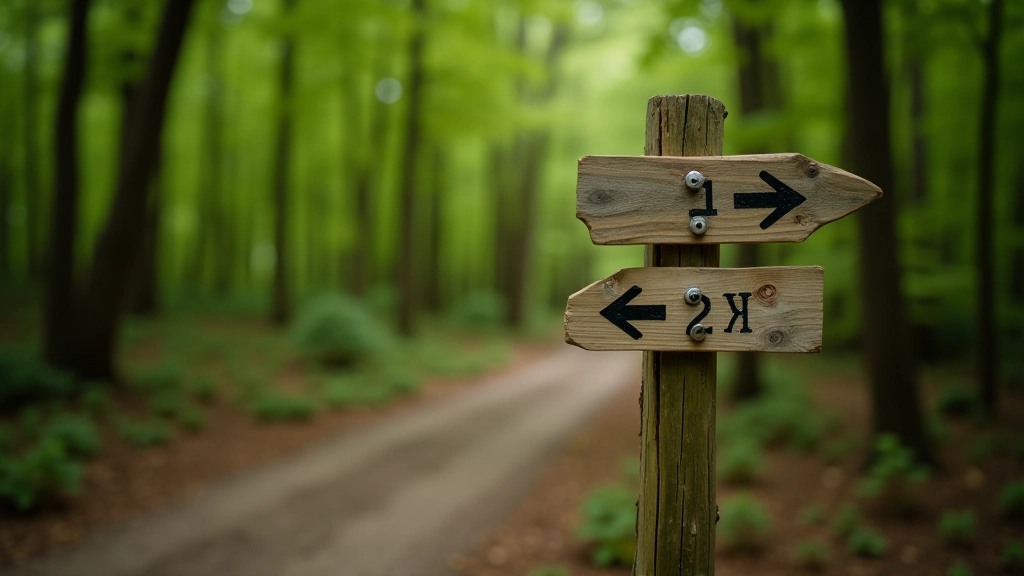
The main paths are well-marked, but it's easy to take a wrong turn if you're not paying attention. Download a map or get a printed one at the visitor center. Don't rely solely on your phone for navigation.
Pack Smart
Bring a basic first aid kit, snacks, a light rain jacket, and a headlamp or flashlight. The canyon walls block sunlight, so it gets darker faster than the open landscape. A light layer helps — it's cooler in the gorge than on the surrounding plateau.
Leave No Trace
It's a protected area. Take out everything you bring in. Stay on marked paths to avoid trampling rare plants. Don't pick wildflowers or disturb wildlife. This place survives because people respect it.
Getting There and Planning Your Visit
The main entrance to Kokořínsko Canyon is near the village of Kokořín, about 40 kilometers northwest of Prague. You can reach it by car in roughly 45 minutes, or take a train to Libavá station and walk about 20 minutes to the canyon entrance. There's a small parking area and a basic visitor center with maps and information.
The best times to visit are spring (April-May) and fall (September-October). Spring offers wildflowers and full water flow. Fall gives you cooler temperatures and fewer tourists. Summer can be crowded, and the canyon gets genuinely hot despite the shade. Winter visits are possible but require care — wet rocks freeze, and you'll be dealing with slippery surfaces.
Entry is free — this is a protected landscape, not a paid attraction. There's no entrance fee, though donations support maintenance. The visitor center has basic facilities and sells maps. If you're planning a longer day, there are small cafes in nearby villages, but you're better off bringing your own food and drinks.
Important Information
This article provides educational information about Kokořínsko Canyon for planning purposes. Conditions change seasonally and after weather events. Always check current local conditions, weather forecasts, and trail status before visiting. The canyon can be dangerous in poor weather or during heavy rain. If you have mobility concerns or health conditions, consult with local guides about route suitability. This information is accurate as of April 2026, but you're responsible for verifying details and making safe decisions during your visit.
Why It's Worth the Walk
Kokořínsko Canyon offers something increasingly rare — a genuine sense of wilderness that's still accessible. You don't need specialized climbing gear, extreme fitness, or a week of vacation. You need a few hours, proper footwear, and a willingness to pay attention to where you're stepping.
The canyon works on multiple levels. Geologically, it's a textbook of Earth's history written in rock. Ecologically, it's a refuge for species that thrive nowhere else in the region. Personally, it's a place where you disconnect from the noise and reconnect with something that feels genuinely ancient and wild.
Whether you're a casual walker looking for an afternoon escape or someone interested in geology and protected landscapes, you'll find something worthwhile here. The narrow passages, flowing water, moss-covered walls, and quiet beauty make this one of the most memorable walks in the Czech Republic. Start early, wear proper shoes, bring water, and you're set for an experience you'll be thinking about long after you leave.
More Protected Landscapes to Explore