Blanský Les: Forest Paths and Natural Heritage
Discover the ecological significance of this protected forest area, hiking routes through ancient woodlands, and wildlife you might encounter on your visit.

What Makes Blanský Les Special
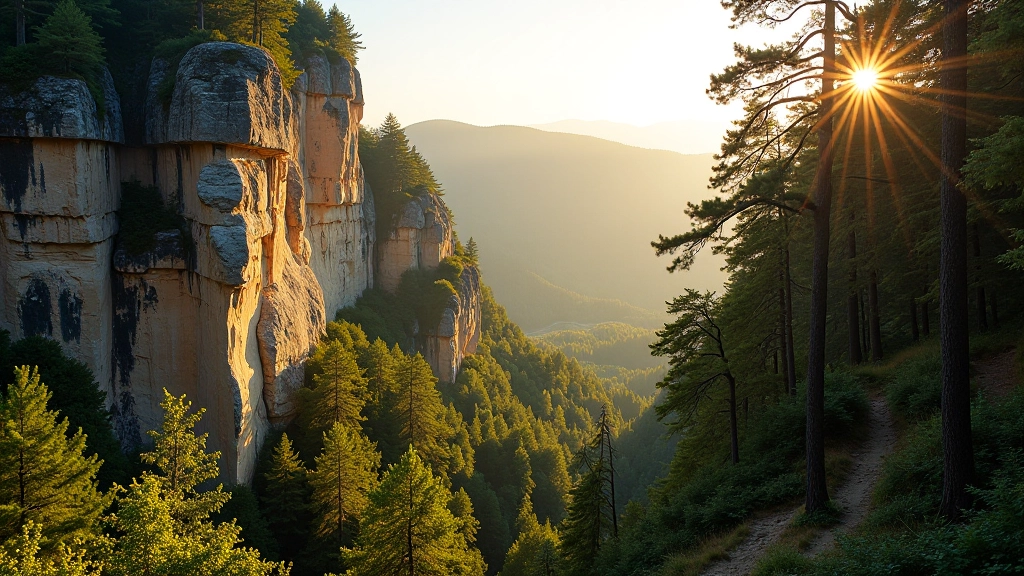
Blanský Les isn't just another patch of woodland. It's a protected forest landscape in the Bohemian-Moravian Highlands that's been shaped by centuries of natural processes and careful management. The name itself — "blanský" refers to the Blanice River that flows through the area — hints at the water systems that've carved this ecosystem.
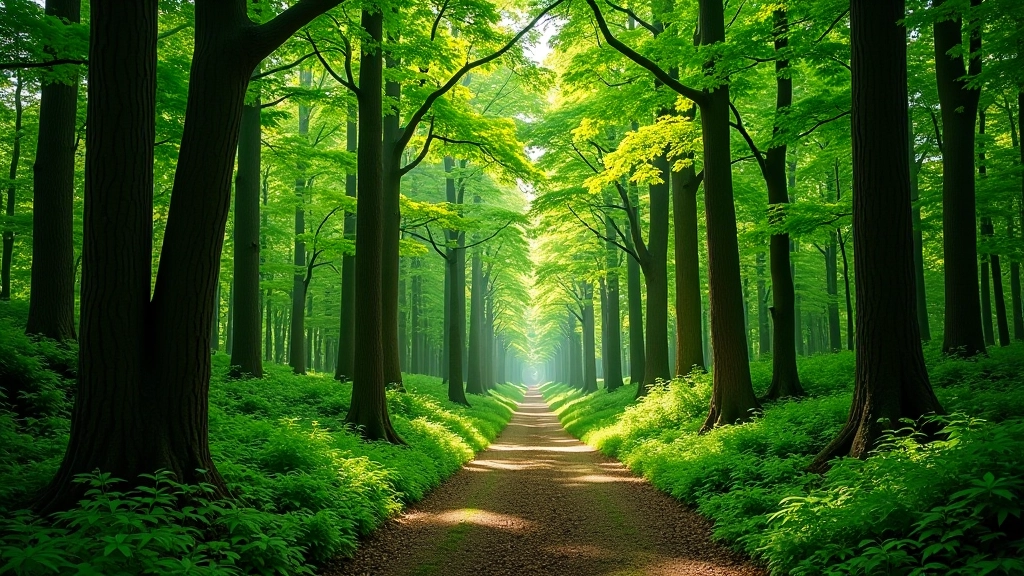
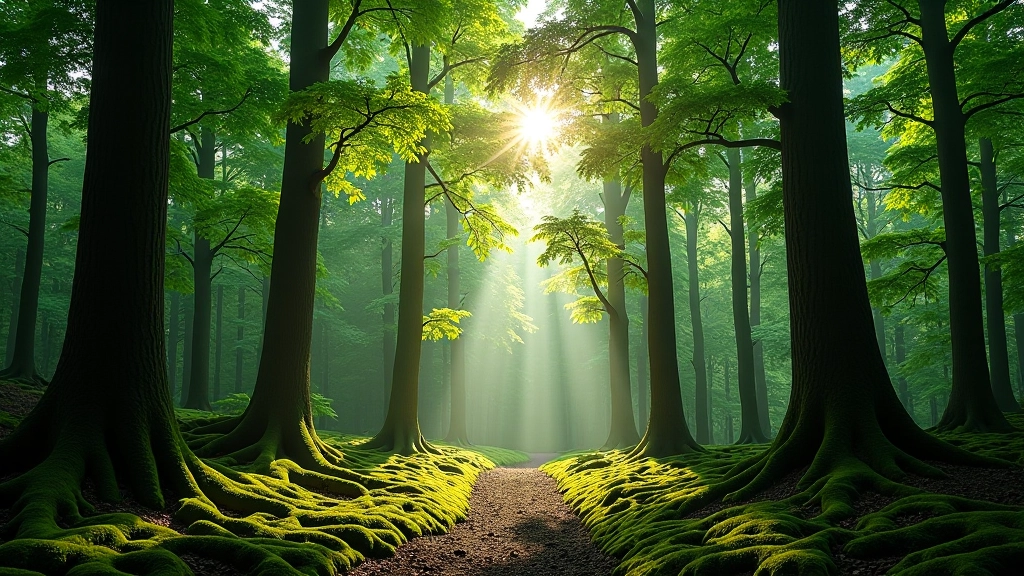
The forest covers roughly 6,000 hectares and contains some of the oldest trees in the region. You'll find mixed woodlands with spruce, fir, and beech that create distinct microclimates. The elevation changes — ranging from 600 to 900 meters — mean you're walking through different ecological zones as you move through the forest. It's like traveling through several seasons in a single afternoon.
Popular Hiking Routes
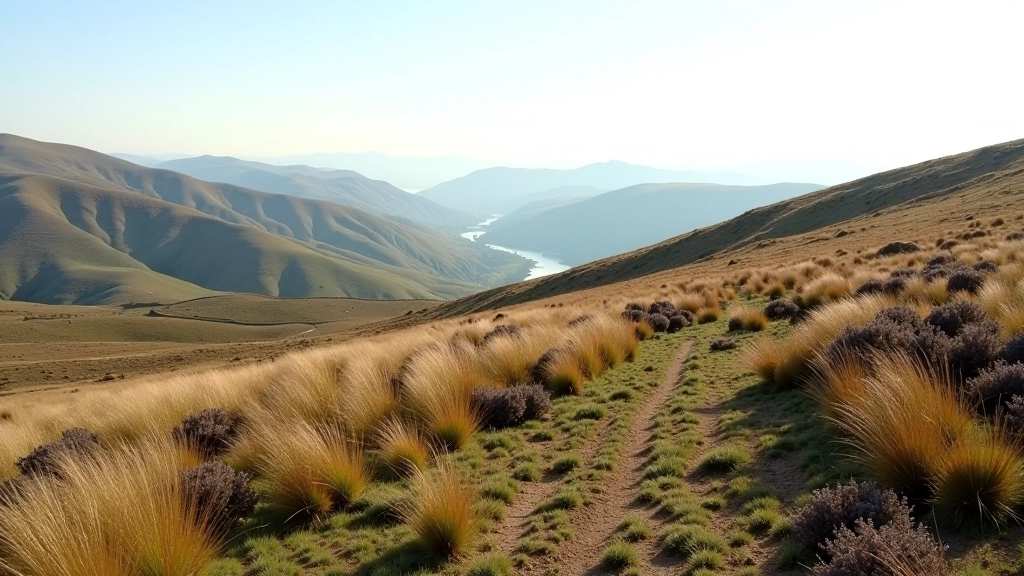
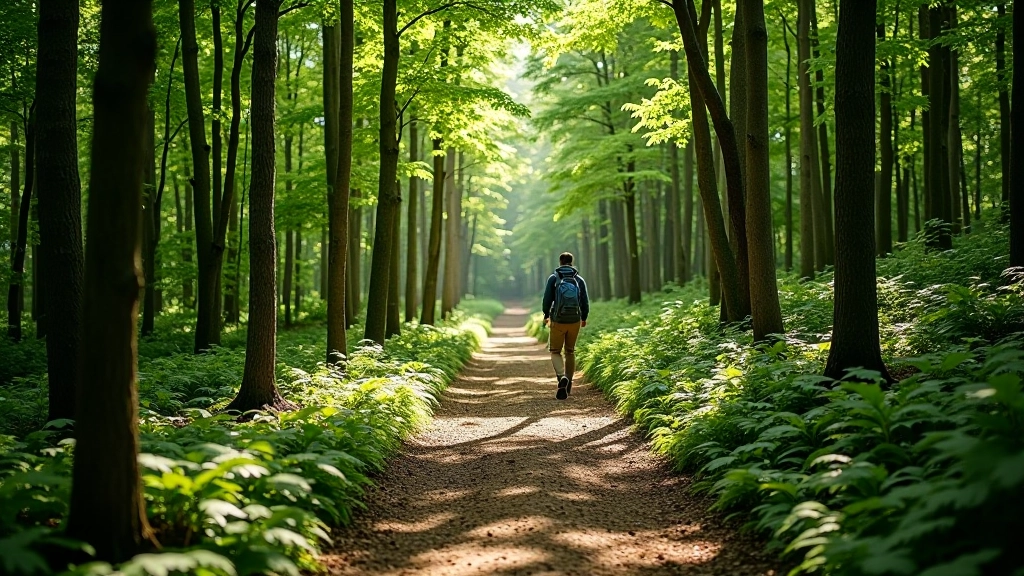
The forest has a well-developed network of marked trails that range from easy walks to more challenging mountain routes. Most trails are clearly marked with painted blazes on trees — red, blue, and green are the main colors you'll see. The terrain varies considerably. Some paths are smooth forest roads that vehicles occasionally use. Others are narrow single tracks with exposed tree roots and rocky sections that require careful footing.
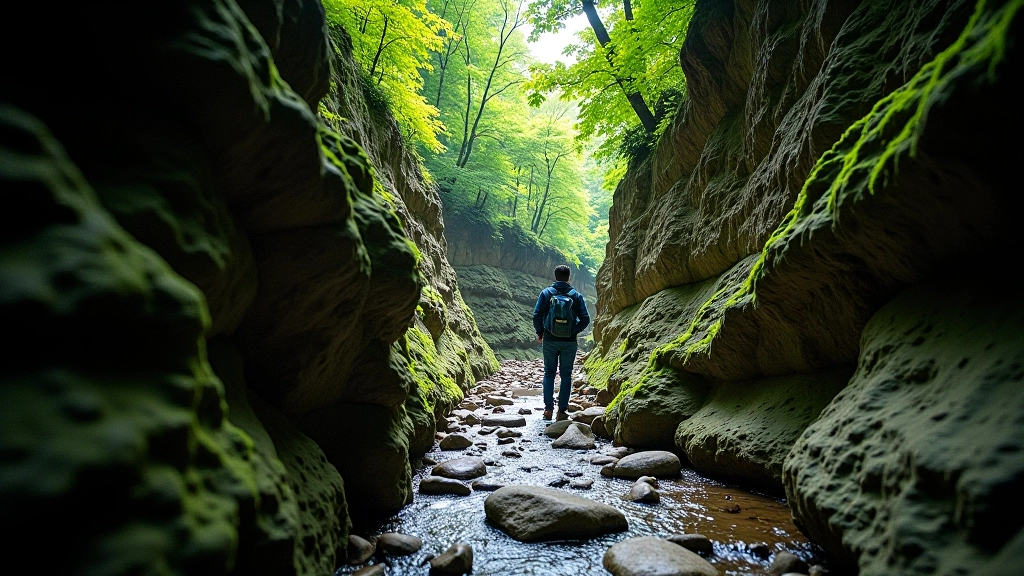
The most popular routes connect to the Blanice River valley, where you'll find dramatic gorges and waterfalls, especially after heavy rain. A typical half-day loop covers 8-12 kilometers and takes about 3-4 hours at a moderate pace. Don't rush it — the forest rewards slow exploration. You'll notice details you'd miss if you're just powering through.
Trail Difficulty Guide
- Easy: Valley paths, river walks (1-3 hours)
- Moderate: Ridge routes with elevation gain (3-5 hours)
- Challenging: Full circuit trails, technical sections (5-7 hours)
Flora and Fauna You'll Encounter
The forest is alive in ways you won't see in urban parks. Red deer and roe deer are common — you might spot fresh tracks or droppings along the trail. Foxes, badgers, and occasionally lynx inhabit the deeper woods, though you're unlikely to see them during daytime. The bird population is impressive. Listen for woodpeckers, owls, and songbirds that're harder to identify without experience. Bring binoculars if you're interested in bird-watching.
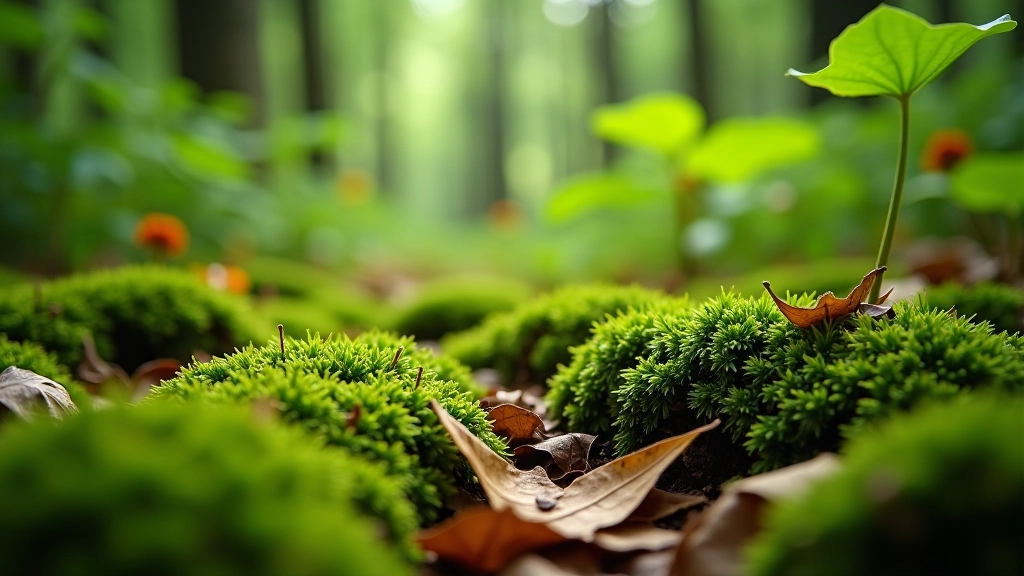
Botanically, the forest changes seasonally. Spring brings wildflowers — hepatica, wood anemone, and trillium. Summer means dense green canopy and forest mushrooms (some edible, many toxic). Autumn transforms everything with reds and golds. Winter reveals the structure of the forest in ways other seasons don't.
Ecological Management and Protection
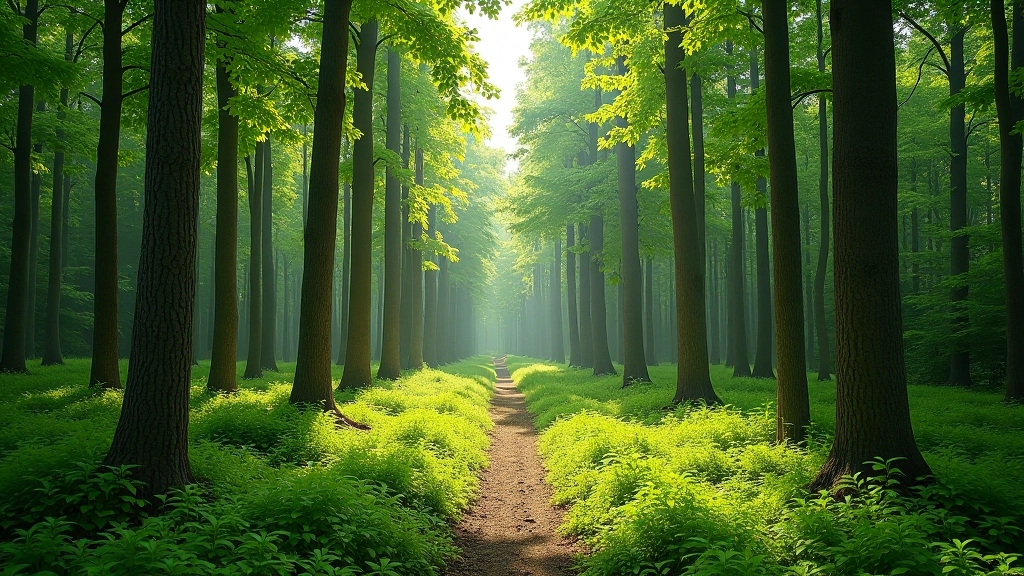
Blanský Les isn't protected by leaving it completely untouched. Active management happens here. Foresters selectively harvest trees to maintain forest health, prevent overcrowding, and reduce wildfire risk. You'll see cleared areas and managed sections — this isn't degradation. It's ecological forestry designed to keep the forest productive and resilient.
The area's designation as a protected landscape means development is restricted. Mining, large-scale industrial use, and habitat destruction are prohibited. Local communities work with conservation organizations to balance human use with ecological needs. Hiking trails themselves are managed — maintained regularly but kept minimal to preserve wilderness character.
"Protected forests aren't museums. They're living systems where people and nature coexist. The goal isn't preservation in amber — it's sustainability."
Important Information
This article provides educational information about Blanský Les for visitors interested in hiking and nature exploration. Always check current trail conditions before visiting, as weather and seasonal changes affect accessibility. Bring appropriate maps and equipment. If you're unfamiliar with the area, consider hiring a local guide. Conditions can change rapidly in mountain forests — what's easy in summer might be dangerous in winter.
Plan Your Visit
Blanský Les rewards visitors who take time to explore slowly. Bring water, wear good boots, and check weather forecasts. The best seasons are late spring (May-June) when wildflowers bloom, and autumn (September-October) when the forest transforms. Summer works too, though it's warmer and busier. Winter hiking is possible but requires more experience and preparation.
The forest is accessible from several towns — Jihlava and Telč are the nearest major settlements. Parking areas exist at popular trailheads. Local information centers have detailed maps and can suggest routes matched to your fitness level and interests. You're not just visiting a forest. You're stepping into a landscape shaped by geology, ecology, and human care over centuries.
Explore More Protected Landscapes