Český Ráj: Exploring the Bohemian Paradise
Discover one of Europe's most stunning protected landscapes, where dramatic sandstone formations rise above forested valleys and ancient rock cities await exploration. We'll guide you through the best trails, seasonal highlights, and what makes this UNESCO-listed region truly special.

What Makes Český Ráj Special
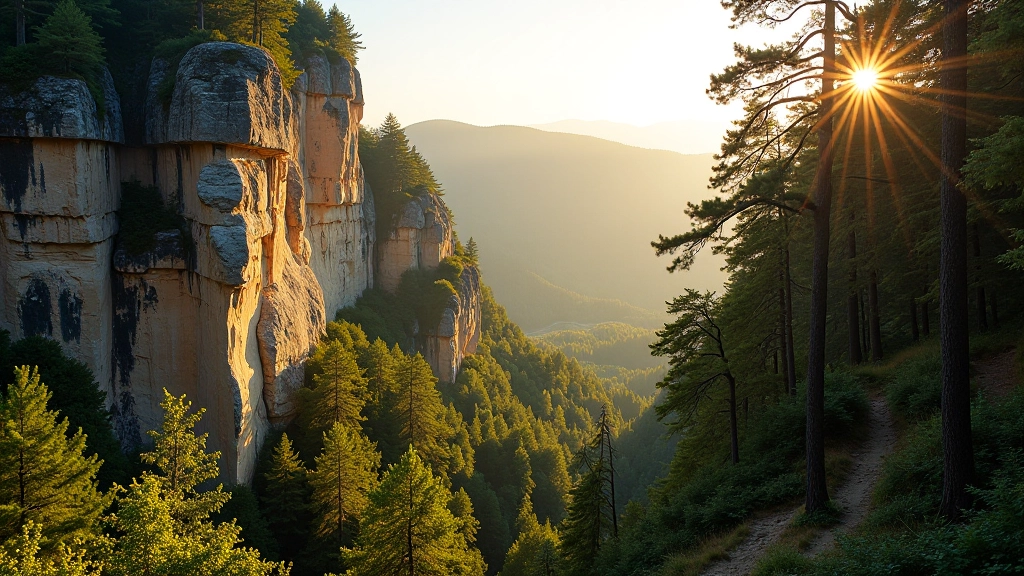
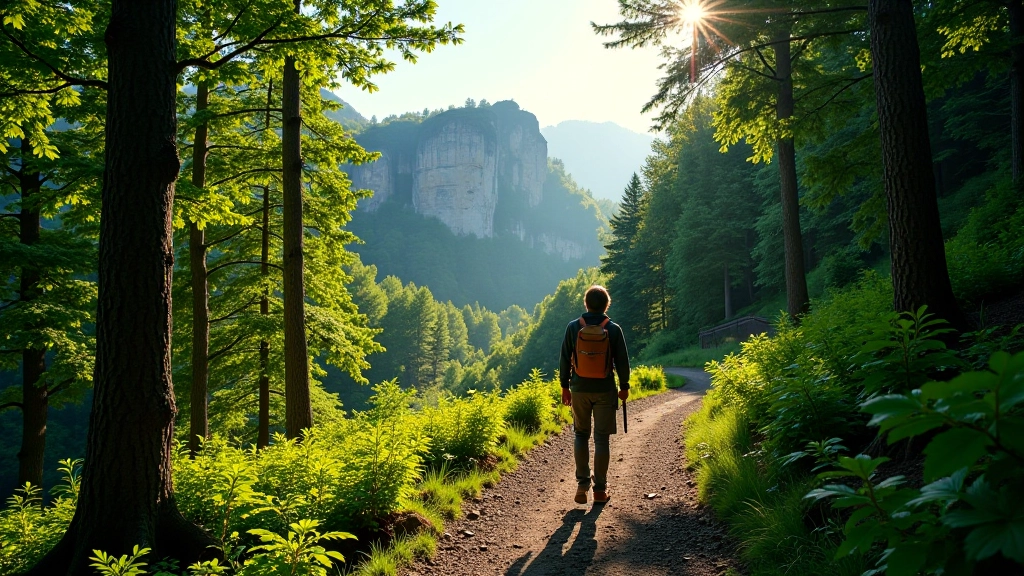
Český Ráj — the Bohemian Paradise — isn't just a name. It's a landscape that genuinely takes your breath away. We're talking about 77 square kilometers of protected territory where nature's architecture shows off. Sandstone towers soar 100+ meters above the forest floor. Rock cities sprawl across plateaus. Winding trails connect everything in ways that feel almost planned.
The region sits roughly 80 kilometers northeast of Prague. It's close enough for a weekend trip but remote enough to feel like you've genuinely escaped. What you'll find here are three main features that draw visitors: the dramatic rock formations called "hrad" (castles), the protected beech and spruce forests, and the river valleys that cut through everything. Plus, you've got several medieval ruins scattered throughout — castles that actually tell stories.
Rock Formations
Unique sandstone towers and labyrinthine rock cities create natural "buildings" shaped over millions of years.
Forest Coverage
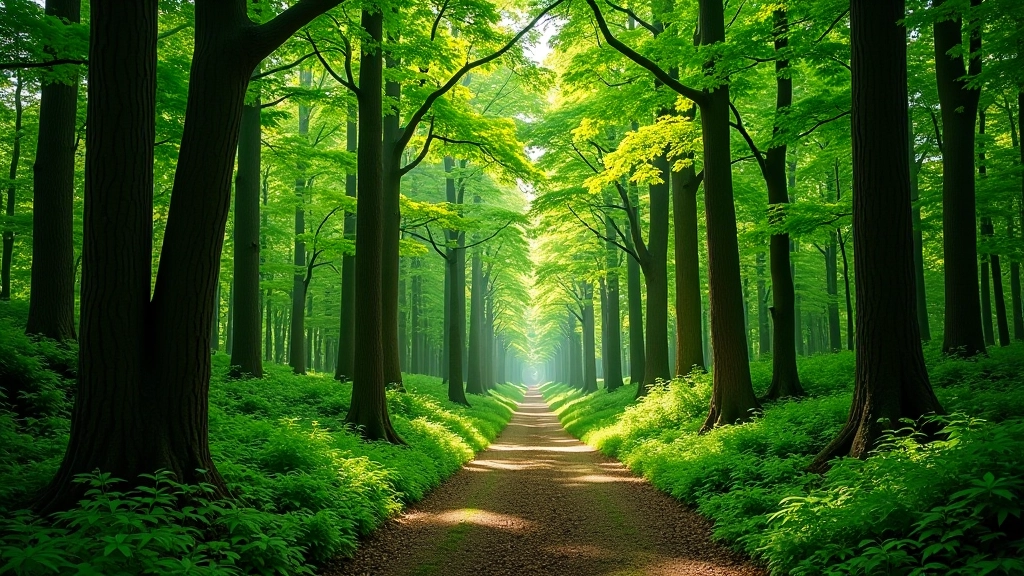
Protected beech, spruce, and pine forests provide habitat for rare species and create stunning seasonal changes.
Historical Sites
Medieval ruins including Trosky Castle and other fortifications offer glimpses into the region's past.
The Best Trails for All Abilities
Don't worry if you're not a serious hiker. We've got options whether you're bringing grandparents or training for mountain marathons. The region has over 60 marked trails ranging from 2-hour walks to full-day expeditions.
For beginners, the Kost area offers gentle 3-5 kilometer loops through forest with minimal elevation gain. The trail around Kost Castle takes about 90 minutes and gives you genuine views without brutal climbs. It's popular for a reason.
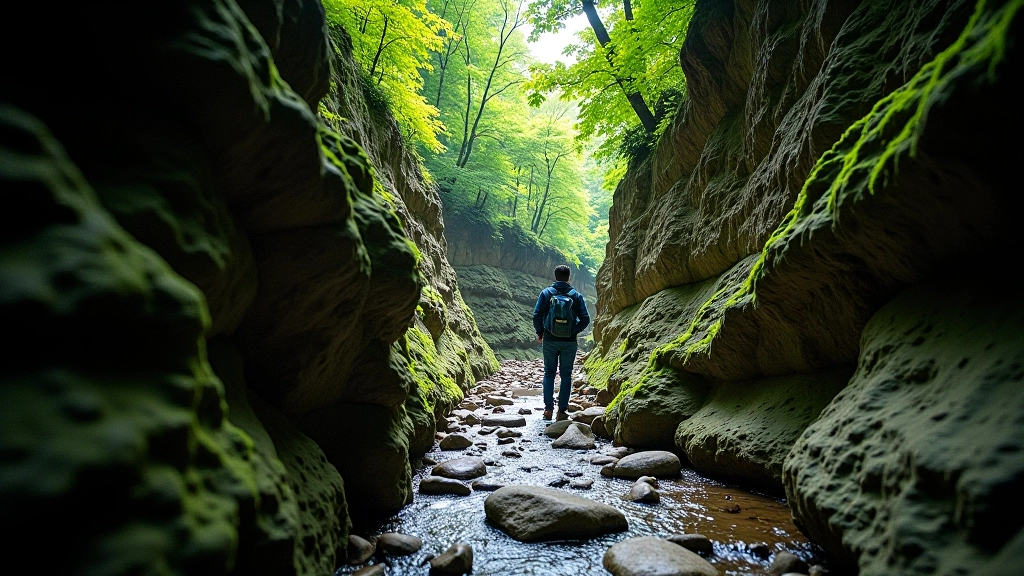
Intermediate hikers should tackle the Vranovský route — roughly 12 kilometers that takes 4-5 hours. You'll navigate through actual rock cities, scramble over boulders, and climb some steeper sections. The rock formations here are genuinely spectacular. Bring proper footwear because footing gets tricky.
Advanced trekkers won't be bored either. Multi-day loops connecting different rock city areas exist, though you'll need solid navigation skills and familiarity with unmarked sections. Spring and fall are ideal for these routes — fewer tourists, better weather stability.
Understanding the Geology
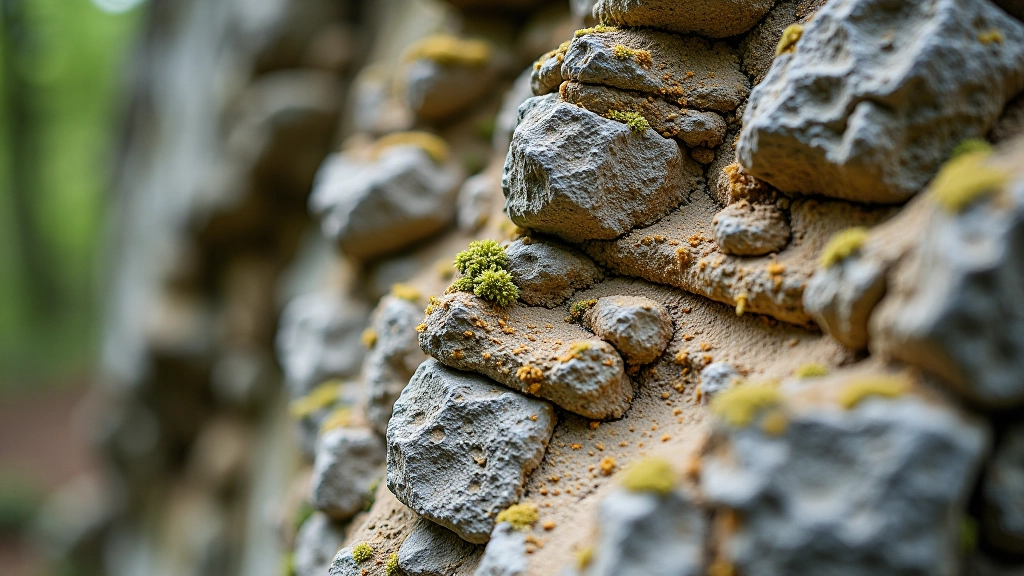
Here's what makes Český Ráj look the way it does: we're looking at Cretaceous-age sandstone — roughly 80-90 million years old. Not particularly ancient in geological terms, but old enough to have stories.
The sandstone layer is maybe 300-400 meters thick in this region. Over millions of years, water erosion created vertical cracks and fractures. Those fractures became wider. Eventually you get the columnar formations and rock cities you see today. It's basically nature's sculpture garden, but the sculptor is water working over incomprehensible timescales.
What you notice when you're actually walking through it: the rock is softer than granite or basalt. Easier to navigate than harder stone formations, but also more fragile. That's why there are ropes and chains on steeper sections — not because it's extreme, but because the stone can crumble. Be respectful when climbing.
When to Visit: A Seasonal Guide
Spring (April-May)
Wildflowers bloom throughout the forest floor. Temperatures sit around 12-18C (comfortable for active hiking). Water levels are higher from snowmelt, so waterfalls look impressive. Crowds haven't peaked yet. Humidity can be noticeable — bring layers.
Summer (June-August)
Peak tourist season. Temperatures reach 18-25C, perfect for exploration but expect crowded trails. Thunderstorms roll through regularly — sudden and intense. The beech forests provide excellent shade. Book accommodations early if you're going mid-summer.
Autumn (September-October)
Our favorite season honestly. Forest colors shift dramatically — golds, deep reds, burnt orange. Temperatures drop to 8-15C (perfect hiking weather). Rainfall increases but skies are often clear. Tourist numbers drop significantly. The light quality is phenomenal for photography.
Winter (November-March)
Snow covers the forest floor 2-3 months per year. Temperatures hover around 0-5C. Rock formations are slippery — treacherous actually. Ice accumulates on climbing sections. Some trails become impassable. Winter hiking requires experience and proper equipment. Most visitors skip this season.
Practical Information for Your Visit
Getting there is straightforward. From Prague, drive about 90 minutes northeast toward Turnov. Several small towns serve as gateways — Turnov itself, Polan, or Jicín. Each has accommodations and serves as a base for exploration. Public transportation exists but driving gives you flexibility to access different trailheads.
What to bring: proper hiking boots (rock scrambling demands good ankle support), water (2+ liters), sun protection, and a detailed trail map. Phone signals can be spotty in valleys, so don't rely entirely on GPS. Bring a compass or download offline maps. Weather changes fast — rain jackets are essential even on sunny mornings.
Entry is free to most areas. Some specific attractions like Trosky Castle charge small fees (typically 100-200 CZK). Local information centers in gateway towns provide detailed maps and can suggest personalized routes based on your fitness level.
Important Information
This article provides educational information about Český Ráj as a protected landscape. While we've described trails and conditions based on current knowledge, circumstances change seasonally and weather conditions vary. Always check local conditions before hiking, bring proper safety equipment, and consider hiring local guides for challenging routes. The information here is informational and doesn't substitute for proper planning or professional guidance from local tourism authorities.
Why Český Ráj Deserves Your Time
You're not looking at just another nature area. Český Ráj represents something genuinely rare — a landscape where geology, ecology, and human history intersect in ways that feel authentic. The rock formations aren't just pretty; they're geologically significant. The forests aren't just dense; they're ecologically protected for reasons. The trails aren't just marked; they're designed around the actual terrain.
What we love about this place is that it rewards attention. Spend a few hours here and you'll see the geological layers, understand the water erosion patterns, notice how the forest changes with elevation. It's educational in the best way — you learn by experiencing, not by reading signs.
Whether you're planning a single afternoon visit or a multi-day expedition, there's something here for you. The question isn't whether Český Ráj is worth visiting — it clearly is. The question is when you're going to make the trip.
Related Landscapes to Explore